The Radical Simplicity of Coastal Aegean Kitchens
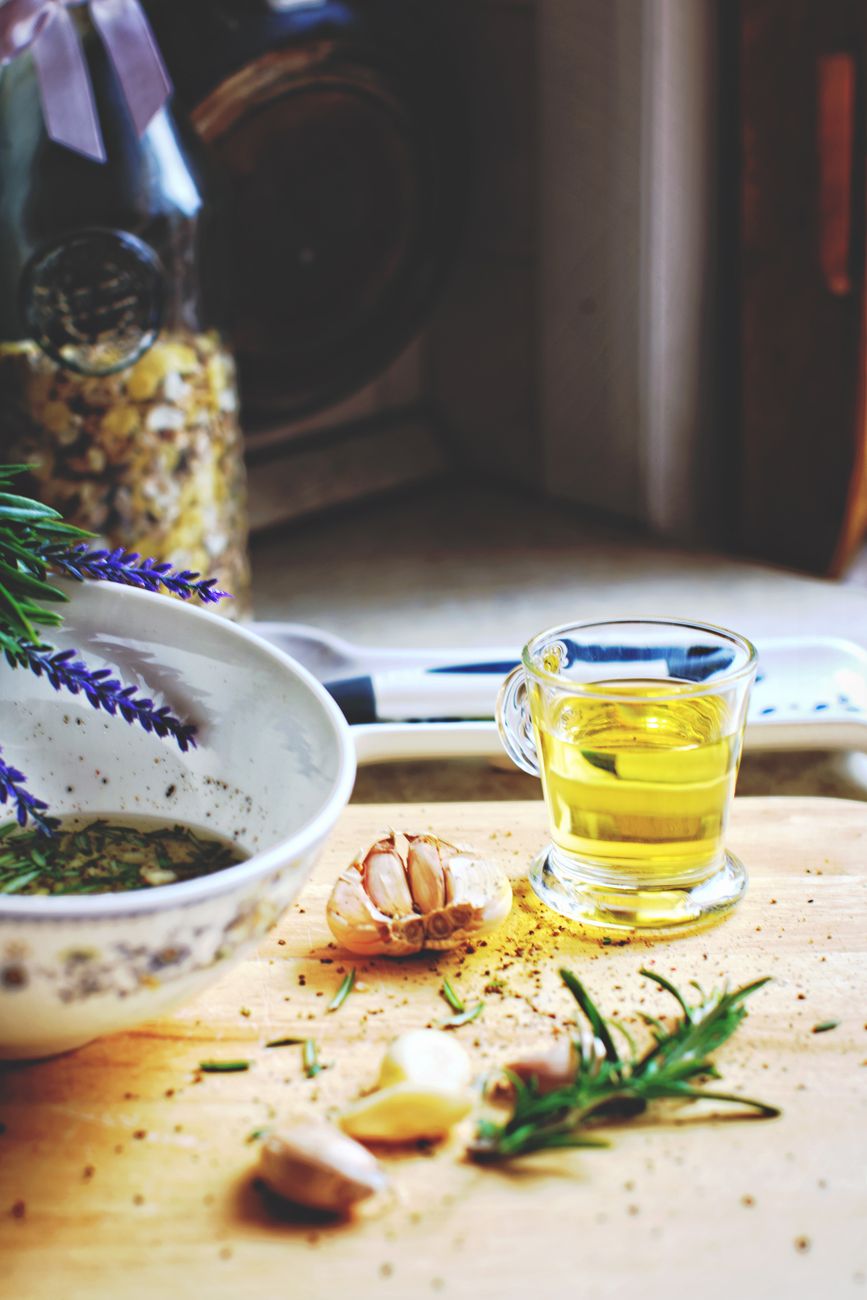
Foraged rock samphire and wild oregano arranged in terracotta pottery, Sifnos. Photo: 111111 Field Archives.
In an era where fine dining often confuses complexity with abundance, the small rocky islands of the southern Aegean practice a refreshing discipline of subtraction. Here, surrounded by cobalt water and sun-bleached marble, cooking is not an exhibition of culinary pyrotechnics; it is an elemental conversation between sea breeze, bitter greens, clay vessels, and ancient olive oil.
The Sacred Herb Basket
Every morning before dawn warms the hills of Sifnos and Tinos, local cooks climb the terraced ridges to gather chorta—wild mountain greens that have sustained Mediterranean civilizations for three millennia. Cichorium, dandelion, rock samphire (kritamo), and wild thyme thrive in the arid soil, nourished only by sea mist and mineral dust.
When blanched and dressed with cold-pressed olive oil, coarse sea salt harvested from shoreline rock pools, and a squeeze of fresh lemon, these bitter herbs cleanse the palate and reawaken dormant sensory awareness. There are no emulsions, no synthetic additives, and no artificial garnishes.
“When the olive oil is pressed by your brother and the clay pot fired by your neighbor, flavor needs no invention. It only requires respect.”
The Revithada and the Wood-Fired Hearth
Perhaps no dish better encapsulates this spirit than revithada: chickpeas slow-cooked in a cylindrical terracotta pot (skepastaria) inside a communal wood-fired oven for fourteen continuous hours. Rainwater, dried chickpeas, sliced onions, bay leaves, and olive oil are sealed within the clay pot with a strip of dough.
As olive wood embers glow through the night, the pulses break down into a luscious, golden stew that warms the soul. In villages across the Cyclades, families still carry their pots to the community baker after Saturday vespers, picking them up on Sunday morning following church.
Gastronomic Notes for the Slow Voyager
- •Timing: Travel in late May or September when temperatures soften and tavernas serve seasonal harvests.
- •Wine: Seek ungrafted Assyrtiko vines cultivated in the traditional ground-level basket weave (kouloura).
- •Etiquette: Never rush meals. A seaside dinner is meant to unfold over three unhurried hours.
To eat this way is to remember that the most enduring luxury is not manufactured in modern food laboratories. It resides in soil, sun, salt, and companionship.