High Passes of the Engadin: Architecture in Extreme Climates
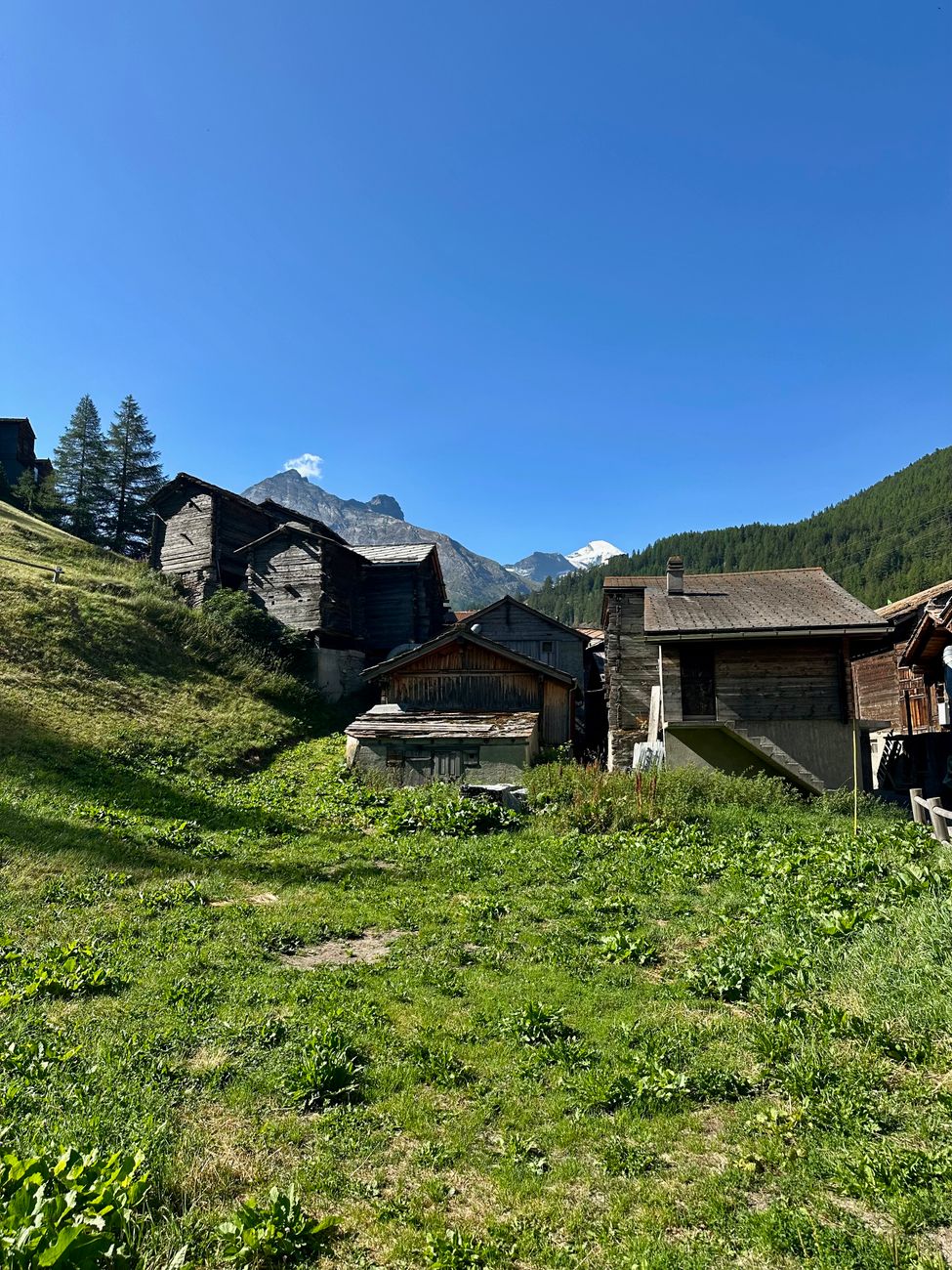
Morning mist drifting through the Upper Engadin valley near Zuoz. Photo: 111111 Field Archives.
Ascending through the Maloja Pass as October frost settles across the larches offers an immediate architectural lesson in patience. Here, at 1,800 meters elevation, nature imposes unforgiving thermal imperatives: fierce thermal swings, howling katabatic winds, and heavy winter loads. Yet for centuries, the master builders of the Engadin have answered this severe environment not with defensive fortresses, but with structures of immense tactile grace.
The Thick Wall and Sgraffito Craft
Central to the Engadin aesthetic is the massive stone and mortar wall, frequently measuring up to a full meter in thickness. These deep reveals create recessed, funnel-shaped windows known locally as sfessur. By flaring the exterior jambs outward, the rooms capture maximum daylight during low-angle winter sun while deflecting the biting winds that sweep across the valley floor.
Surfaces are rarely left raw. Instead, craftsmen since the 16th century have practiced sgraffito—a technique of applying a dark undercoat of plaster, covering it with fine white lime, and then carefully scratching patterns into the wet surface before it dries. Geometric stars, heraldic shields, and quiet inscriptions remind the traveler of the enduring alliance between human craft and mountain permanence.
“To build in the high alpine is to accept that wind and frost will outlive our blueprints. The only honest response is simplicity and local stone.”
Contemporary Interventions: Zumthor and Miller & Maranta
In recent decades, modern architects have engaged with this vernacular language rather than attempting to displace it. From Peter Zumthor's celebrated thermal baths in nearby Vals to Miller & Maranta's restoration of historic Hospizes on the Bernina Pass, modern Swiss design embraces raw local granite, untreated larch paneling, and acoustic seclusion.
Walking through these spaces barefoot, one notices the thermal warmth stored within the stone floors, heated by clean mountain hydroelectricity or geothermal loops. It is luxury refined to its absolute core: absolute silence, clean oxygen, and sweeping frames that treat the peaks outside as living canvases.
Traveler Field Advice: Zuoz & Sils-Maria
- •Season: Visit during mid-October for the golden larch transition or early March for high-altitude spring snow.
- •Stay: Seek traditional historic inns that maintain their original stone ovens and timber wood paneling.
- •Transit: Use the Rhaetian Railway (RhB), a UNESCO-recognized engineering masterpiece operating on renewable energy.
For the traveler weary of crowded urban centers, the Engadin is not simply a destination; it is an antidote. Here, architectural reverence and natural magnitude invite you to decelerate and truly listen.